Stories
Stories
520
Words
51.3 M
Comments
1
Reading
178 d, 1 h
-
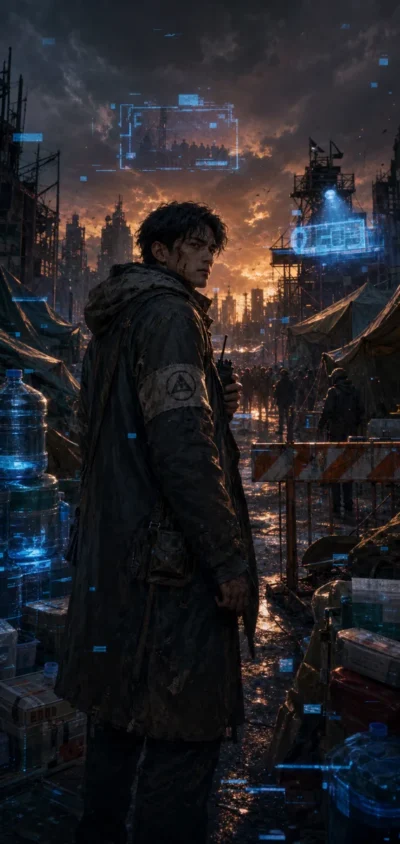 This book argues that survival infrastructure becomes government the moment someone decides who receives water, shelter, medicine, and passage—and that legitimate authority must prove itself under pressure rather than merely claim moral superiority.
-
2.2 K • Aug 3, '26
-
1.9 K • Aug 9, '26
-
1.6 K • Aug 9, '26
-
-
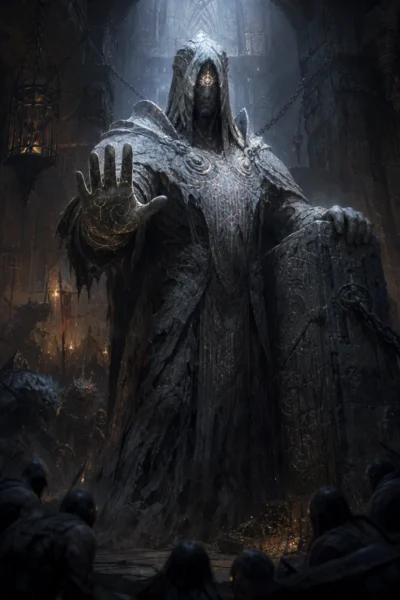 Security becomes tyranny when protection cannot be refused. The novel tests whether a community surrounded by hunger, monsters, debt, and war can remain safe without treating people as owned resources. Its tone is severe but not cynical: cold stone,
-
1.9 K • Aug 9, '26
-
2.1 K • Aug 10, '26
-
1.9 K • Aug 10, '26
-
-
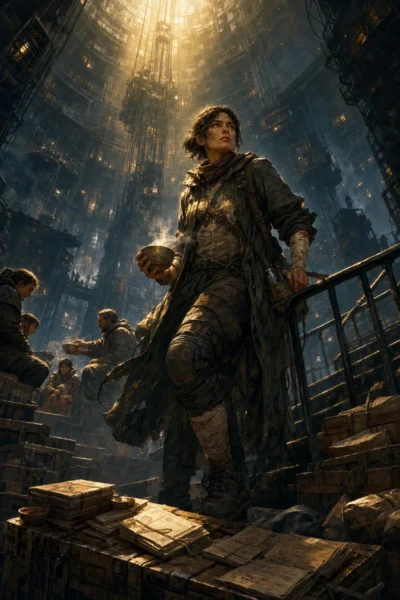 This book argues that rescue is not sentimental refusal to accept loss; it is the disciplined act of making institutions account for every person they spend. Its tone is fierce but warm: pain, scarcity, and bureaucracy remain severe, yet meals shared
-
2.1 K • Aug 3, '26
-
2.3 K • Aug 4, '26
-
2.1 K • Aug 10, '26
-
-
 This book argues that consent is real only when refusal remains possible, yet communities cannot survive if every obligation dissolves at the first cost. Its central question is therefore not whether bonds are necessary, but who bears their price and
-
2.1 K • Aug 3, '26
-
1.8 K • Aug 9, '26
-
2.2 K • Aug 9, '26
-
-
 Rowan believes a standard earns authority by surviving inspection. His peer rival Cassian Rook believes imperfect certification is preferable to uncontrolled talent, while Registry Prefect Veyra Holt believes centralized fraud may be justified if its
-
2.1 K • Aug 4, '26
-
1.8 K • Aug 9, '26
-
2.2 K • Aug 10, '26
-
-
 This book argues that belonging is sustained by repeated acts of welcome, consent, and maintenance, not by ownership or official visibility. Its warmth comes from work performed together: kettles filled, steps repaired, routes walked, records correct
-
2.2 K • Aug 10, '26
-
2.0 K • Aug 10, '26
-
2.1 K • Aug 10, '26
-
-
 The book argues that uncertainty about consciousness increases the duty of restraint rather than diminishing it. A society reveals its ethics not when personhood is obvious, but when recognition is costly, evidence is incomplete, and fear has respect
-
1.8 K • Aug 8, '26
-
1.6 K • Aug 10, '26
-
1.8 K • Aug 10, '26
-
-
 Rowan believes duty must be witnessed, limited, and chosen; Crown Auditor Lucan Vey believes compulsory sacrifice is justified because hesitation once allowed a Bastion to fall. They inevitably collide over the Crown Ledger, which assigns hereditary
-
2.5 K • Aug 8, '26
-
2.2 K • Aug 9, '26
-
2.2 K • Aug 10, '26
-
-
 This book argues that no institution is humane merely because its victims are hidden: authority becomes legitimate only when the people carrying its burdens can name them, refuse them, and replace those who assign them. Its tone is warm at the scale
-
2.0 K • Aug 4, '26
-
2.3 K • Aug 4, '26
-
2.4 K • Aug 4, '26
-